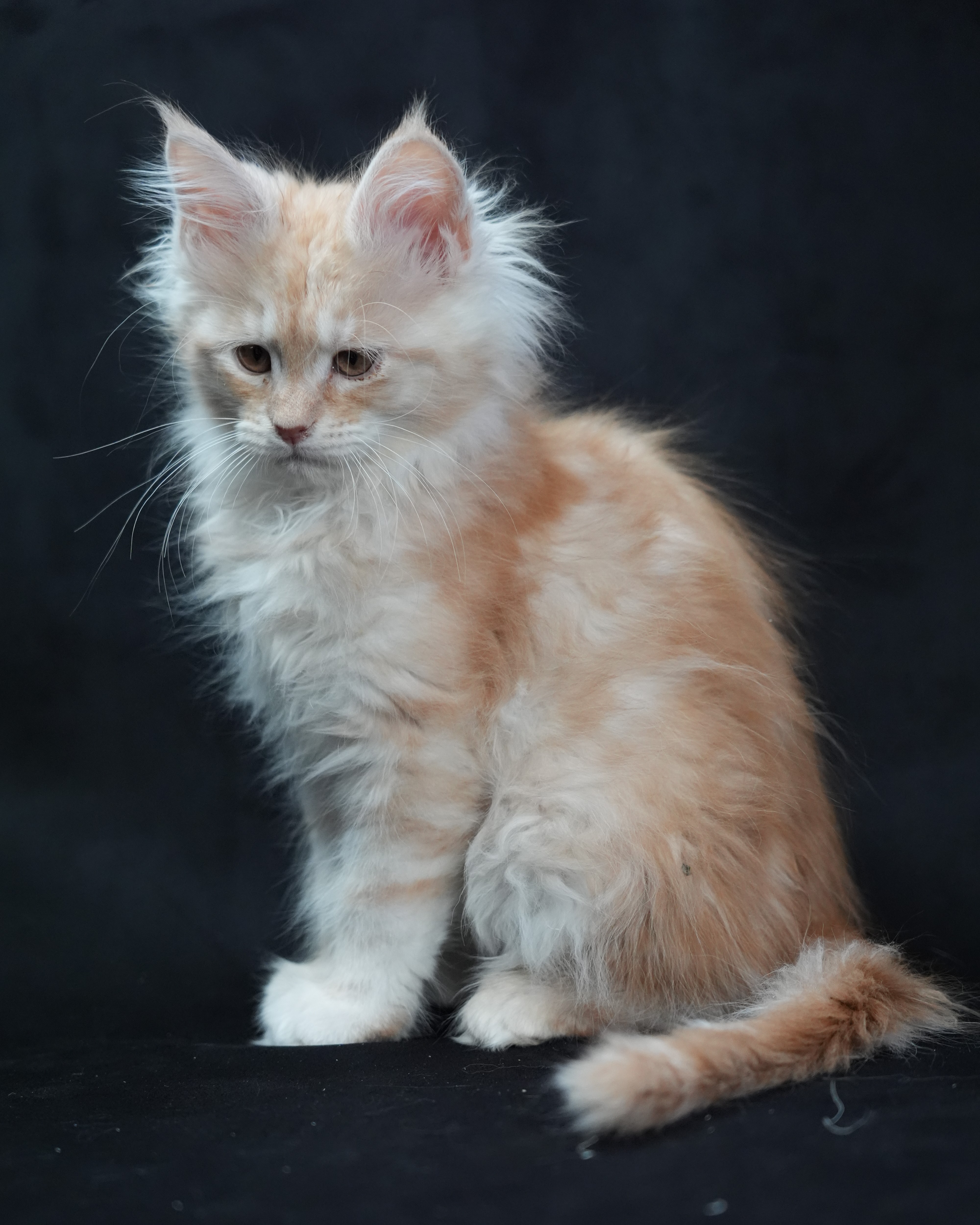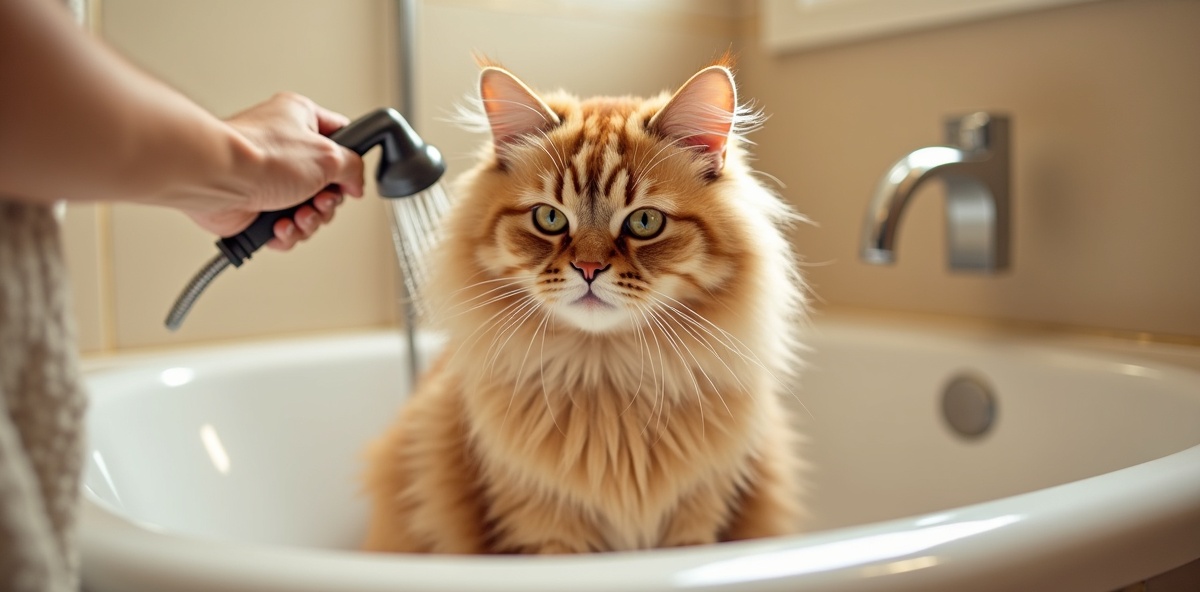
Most cat owners have never bathed their cat and have no intention of starting. Maine Coon owners do not have that luxury. The coat is too thick, too long, and too prone to oil buildup to go unbathed indefinitely. The good news: Maine Coons are one of the few cat breeds that actually tolerate — and sometimes enjoy — water. Here is how to make bathing a routine rather than a disaster.
01Why Maine Coons Need Baths
Unlike short-haired cats who can maintain their coats through self-grooming, Maine Coons have a coat that accumulates oils, dander, and debris faster than they can clean it themselves.
- The dense undercoat traps oils and dead skin cells that brushing alone cannot fully remove. Over time this leads to a dull, greasy coat and increased shedding.
- Regular bathing reduces the allergen load in your home — Fel d 1 protein is carried on skin cells and saliva, and bathing removes a significant amount of it.
- A clean coat mats less, brushes more easily, and looks dramatically better. The difference between a freshly bathed Maine Coon and one who has not been bathed in months is striking.
- Maine Coons evolved with water-resistant coats — they are physically built for this. Their ancestors reportedly fished in streams. A bath is not the trauma it would be for most cats.
02How Often to Bathe
There is no single right answer — it depends on your cat's coat type, lifestyle, and how much they shed. Here is a reasonable baseline.
- Every four to six weeks is the standard recommendation for a Maine Coon with a typical coat.
- Cats who go outdoors, have particularly oily coats, or are being shown may need more frequent bathing.
- Cats who are bathed regularly from kittenhood often need less frequent baths as adults because their coat stays cleaner between sessions.
- Do not over-bathe — stripping the coat of natural oils too frequently leads to dry skin and a dull coat. Four to six weeks is the floor, not the ceiling.
03Before the Bath: Preparation Matters
A successful bath starts before the water runs. Rushing into it without preparation is how you end up with a wet, panicked cat and a destroyed bathroom.
- Brush thoroughly before bathing — wet mats are far harder to remove than dry ones, and bathing a matted coat makes the problem worse.
- Trim nails before bathing. A startled cat with untrimmed nails is a liability.
- Gather everything you need before you start: cat shampoo, conditioner if using, towels, and a non-slip mat for the tub or sink.
- Use a cat-specific shampoo — human shampoo disrupts the pH balance of cat skin. Never use dog shampoo on a cat.
- Warm the bathroom first. A cold room after a warm bath is uncomfortable and makes drying harder.
04The Bath Itself
Technique matters. A calm, methodical approach produces a much better outcome than speed.
- Use lukewarm water — not hot, not cold. Test it on your wrist the way you would for a baby.
- Wet the coat thoroughly before applying shampoo. Maine Coon coats are water-resistant — it takes longer than you expect to saturate them.
- Apply shampoo from neck to tail, working it into the undercoat with your fingers. Avoid the face — use a damp cloth for the head.
- Rinse extremely thoroughly. Shampoo residue left in the coat causes skin irritation and makes the coat look dull. Rinse until the water runs completely clear.
- A light conditioner helps with detangling and adds shine — rinse it out fully as well.
- Keep your voice calm and low throughout. Your energy transfers directly to the cat.
05Drying: The Part Everyone Underestimates
Getting a Maine Coon dry is a project. The coat holds water like a sponge, and a damp Maine Coon is a cold, uncomfortable Maine Coon who will mat faster than a dry one.
- Wrap in a large towel immediately and press — do not rub, which causes tangles and frizz.
- Use a second dry towel once the first is saturated.
- A low-heat blow dryer on the lowest setting speeds drying significantly. Introduce it gradually — let the cat hear it before it touches them.
- Keep the dryer moving constantly and never hold it close to the skin.
- Brush gently while drying to prevent the coat from setting in tangles as it dries.
- Do not let your cat outside or in a cold room until fully dry — a damp Maine Coon can get chilled quickly.
06Building the Habit
The single most important factor in successful bathing is starting young. A kitten who experiences bathing as a normal, calm, treat-rewarded event becomes an adult who tolerates it without drama.
- Start with short, positive sessions — even just getting the kitten comfortable with the sound of water and the feel of being wet.
- Use high-value treats throughout and immediately after. The bath should predict good things.
- Keep early baths brief and low-pressure. A five-minute bath that ends positively is worth more than a thorough bath that ends in trauma.
- If your adult cat has never been bathed, go slowly. Introduce the bathroom, then the tub, then water — over multiple sessions if needed.
07Final Thoughts
Bathing a Maine Coon is not the ordeal most cat owners imagine. With the right preparation, the right products, and a calm approach, most Maine Coons accept it reasonably well — especially those started young. The payoff is a coat that looks spectacular, sheds less, and stays healthier long-term. Your cat will not thank you. But they will look magnificent.
Interested in bringing home an Empire Maine Coon?