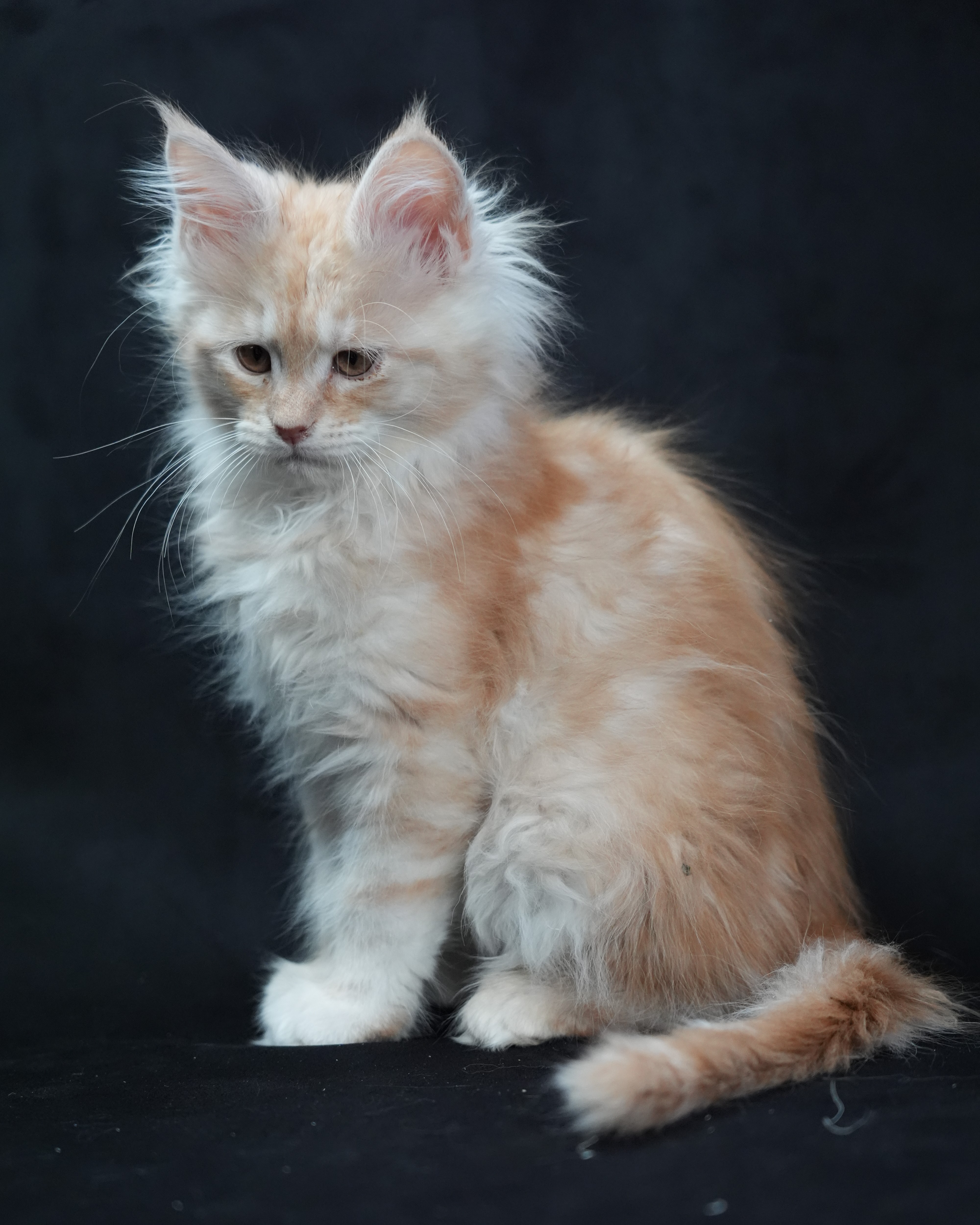
Bringing home a new kitten is one of the best things in the world. Discovering a health concern in the first few weeks is one of the most stressful. The good news: the three issues that come up most often — ringworm, heart murmurs, and upper respiratory symptoms — are all manageable, frequently temporary, and almost never the catastrophe they feel like at 11pm when you are Googling symptoms in a panic. Here is what you actually need to know.
01Ringworm: Not a Worm, Not the End of the World
Despite the name, ringworm has nothing to do with worms. It is a fungal infection — the same family of fungi that causes athlete's foot in humans. It affects the skin, hair, and nails, and it is highly contagious between animals and people.
- It appears as circular patches of hair loss, sometimes with mild redness or scaling. In cats, it can also show up with no visible symptoms at all — some cats carry it without looking sick.
- It is not life-threatening. With proper treatment — usually antifungal medication and environmental cleaning — it resolves completely.
- Even the most meticulously clean catteries can encounter ringworm. Spores travel through the air, survive on surfaces, and can be carried by asymptomatic animals. It is not a sign of negligence.
- Empire Maine Coons recommends quarantining your new kitten for the first 10 days and scheduling a vet visit within that window. This catches any stress-related or transitional health concerns early, before they become bigger issues.
02Managing Ringworm at Home
If your vet confirms ringworm, the treatment plan is straightforward. The key is consistency — ringworm is stubborn and will come back if you stop treatment too early.
- Follow your vet's medication protocol exactly — oral antifungals, topical treatments, or medicated shampoos depending on severity.
- Clean and disinfect your home thoroughly — wash bedding, vacuum frequently, and wipe down surfaces with a diluted bleach solution (1:10 ratio).
- Limit the kitten's access to the whole house during treatment to reduce the area you need to decontaminate.
- Humans in the household can catch ringworm — if you notice circular itchy patches on your skin, see your doctor. It is easily treated in people too.
- Treatment typically takes 4–8 weeks. Do not stop early just because it looks better — finish the full course.
03Heart Murmurs: Common, Complex, and Often Temporary
A heart murmur is an unusual sound heard during a heartbeat, caused by turbulent blood flow. In kittens, murmurs are surprisingly common — and they are not always a sign of serious disease.
- Many kittens have what are called "innocent" or "physiologic" murmurs that resolve on their own as the heart matures. These are not associated with any structural problem.
- Stress, excitement, and the anxiety of a vet visit can temporarily elevate heart activity and produce a murmur that would not be present in a calm, relaxed cat.
- Even thorough vet exams can miss early murmurs, or detect intermittent ones that come and go. This is not a failure of the exam — it is the nature of the condition.
- The gold standard for evaluating a murmur is a cardiac ultrasound (echocardiogram), ideally performed around six months of age when the heart is more developed.
04HCM: What Maine Coon Owners Should Know
Hypertrophic Cardiomyopathy (HCM) is the most common heart disease in cats, and Maine Coons have a genetic predisposition to it. This is why responsible breeders screen their breeding cats annually.
- HCM causes the heart muscle to thicken, reducing the heart's ability to pump blood effectively. It ranges from mild and manageable to severe.
- A murmur detected in a kitten does not automatically mean HCM — but it does warrant monitoring and follow-up.
- Empire Maine Coons screens all breeding cats for HCM annually by a board-certified cardiologist. This reduces — but cannot eliminate — the risk in offspring.
- If your vet detects a murmur, ask for a referral to a veterinary cardiologist for an echocardiogram. Early detection means better management options.
- Many cats with HCM live long, comfortable lives with appropriate monitoring and, when needed, medication.
05Upper Respiratory Symptoms: Usually Environmental, Almost Always Treatable
Sneezing, watery eyes, mild congestion — these symptoms in a new kitten are alarming but rarely serious. Most of the time, they are a response to environmental change, not a sign of illness.
- Moving to a new home is stressful for kittens. Stress temporarily lowers immune defenses, making them more susceptible to minor irritants.
- Scented candles, air fresheners, plug-in diffusers, and heavily scented laundry products are common culprits. Kitten respiratory systems are sensitive — what smells pleasant to you can be irritating to them.
- Scented or dusty litters are another frequent trigger. Switch to an unscented, low-dust formula if symptoms appear.
- If symptoms persist beyond a few days, worsen, or are accompanied by loss of appetite or lethargy, see your vet. A bacterial or viral URI is treatable with antibiotics or supportive care.
- Most kittens who arrive sneezing are fine within a week once they settle in and any environmental irritants are removed.
06The 10-Day Rule
Empire Maine Coons has a standing recommendation for every family who brings home a new kitten: quarantine for 10 days and see a vet within that window. Here is why this matters.
- Quarantine protects other pets in your home while your new kitten adjusts and any latent health concerns surface.
- A vet visit within 10 days catches anything that needs attention early — before it becomes a bigger problem and before the stress of transition masks symptoms.
- It also establishes a baseline with your vet, so they know what your cat looks like healthy.
- This is not a sign that something is wrong — it is standard responsible practice for any new pet, from any source.
07Final Thoughts
Health concerns in new kittens are stressful, but they are rarely the disaster they feel like in the moment. Ringworm is treatable. Most murmurs resolve or are manageable. Sneezing usually stops once the kitten settles in. What matters most is catching things early, working with your vet, and maintaining open communication with your breeder. Empire Maine Coons is here for every family after adoption — not just until the kitten goes home. If something comes up, reach out. We have seen it before, and we will help you through it.
Interested in bringing home an Empire Maine Coon?