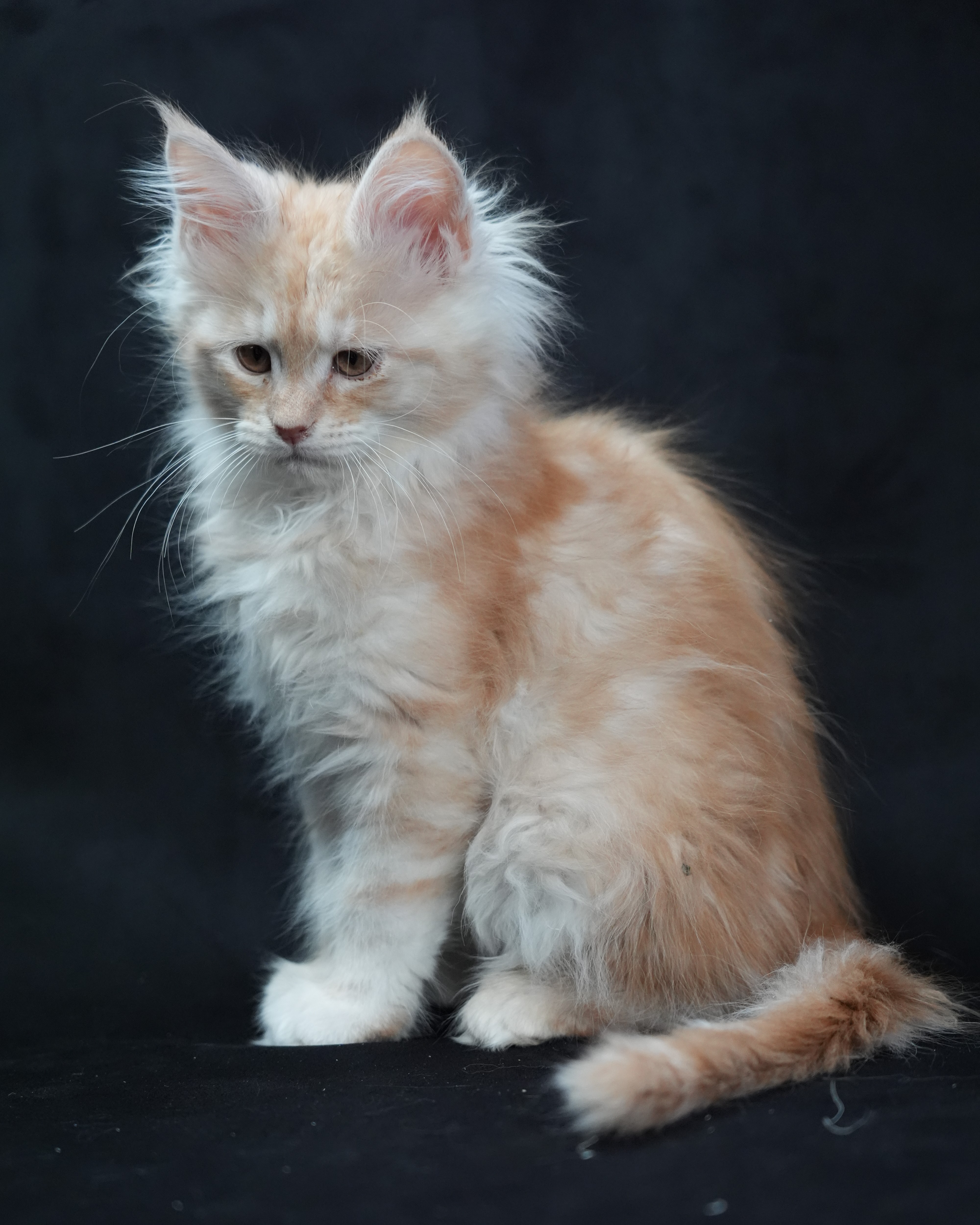
Maine Coons are famously friendly, but friendliness is not the same as confidence. A well-socialized Maine Coon greets guests at the door, explores new spaces without hiding under the bed, and handles vet visits with the dignity of a cat who knows they are gorgeous. A poorly socialized one treats the vacuum cleaner like a personal nemesis and hides when the doorbell rings. Here is how to raise a cat who owns the room.
01The Socialization Window: Use It or Lose It
The prime socialization period for kittens is between 3 and 14 weeks of age. During this window, experiences shape lifelong attitudes. Miss it, and you are playing catch-up.
- Expose kittens to a variety of people — men, women, children, people with hats, people with glasses, people who smell like other animals.
- Introduce household sounds gradually — vacuum cleaners, blenders, doorbells, hair dryers. Start quiet, build up.
- Let them explore different surfaces — carpet, tile, wood, grass if safe. Confident feet make confident cats.
- Handle them regularly — paws, ears, mouth, belly. This makes future vet visits and grooming infinitely easier.
02Meeting New People: The Maine Coon Way
Maine Coons are naturally social, but they still need positive experiences with strangers to stay that way. A bad first impression can create a lifelong hermit.
- Let the cat approach the guest — never force an interaction. A confident cat will investigate when ready.
- Have visitors offer treats or toys — this creates a positive association with new humans.
- Respect their boundaries — if they retreat, let them. Pushing a cat past their comfort zone backfires every time.
- Reward calm behavior around strangers — a gentle chin scratch and a quiet "good kitty" goes a long way.
03Other Pets: From Tolerance to Friendship
Maine Coons generally get along with other animals, but introductions need to be managed. Throwing them together and hoping for the best is a recipe for chaos.
- Start with scent swapping — let each animal smell bedding or toys from the other before they ever meet face-to-face.
- Use barriers for first meetings — baby gates, cracked doors, or carriers let them see each other without direct contact.
- Supervise all early interactions — even the friendliest cat can react unpredictably to a new animal in their space.
- Give each pet their own safe zone — a place to retreat where the other cannot follow. Territory security is everything.
- Be patient — some bonds form in hours. Others take weeks. Rushing it only creates setbacks.
04Handling New Environments and Travel
Whether it is a vet visit, a move, or a road trip, new environments test a cat's confidence. Preparation makes the difference between a calm traveler and a yowling escape artist.
- Make the carrier a happy place — leave it out with treats and bedding so it is not just the scary car box.
- Use pheromone sprays like Feliway in carriers and new spaces — they genuinely help reduce anxiety.
- Keep routines consistent during transitions — same feeding times, same litter, same bedtime rituals. Familiarity is comfort.
- For moves, set up one safe room first — let your cat adjust to a small space before exploring the whole house.
05The Shy Adult Cat: It Is Never Too Late
Not every Maine Coon gets a perfect socialization start. Some come from shelters, some from less-than-ideal situations, and some are just naturally reserved. Adult cats can absolutely learn confidence — it just takes longer.
- Go at their pace — let them set the timeline. Forcing interaction destroys trust faster than anything.
- Create positive associations with scary things — treats near the vacuum, playtime after the doorbell, cuddles after a car ride.
- Use interactive play to build confidence — wand toys let them stalk, pounce, and win, which boosts their sense of capability.
- Consider a feline companion — sometimes a confident cat teaches a shy one that the world is not so scary after all.
06Final Thoughts
A well-socialized Maine Coon is a joy to live with — curious, confident, and genuinely interested in the world around them. The work you put in during the early months pays off for years in the form of a cat who greets life with whiskers forward and tail high. And honestly? There is nothing quite like watching a 15-pound fluffball confidently strut up to a new guest like they own the place. Because, in their mind, they absolutely do.
Interested in bringing home an Empire Maine Coon?