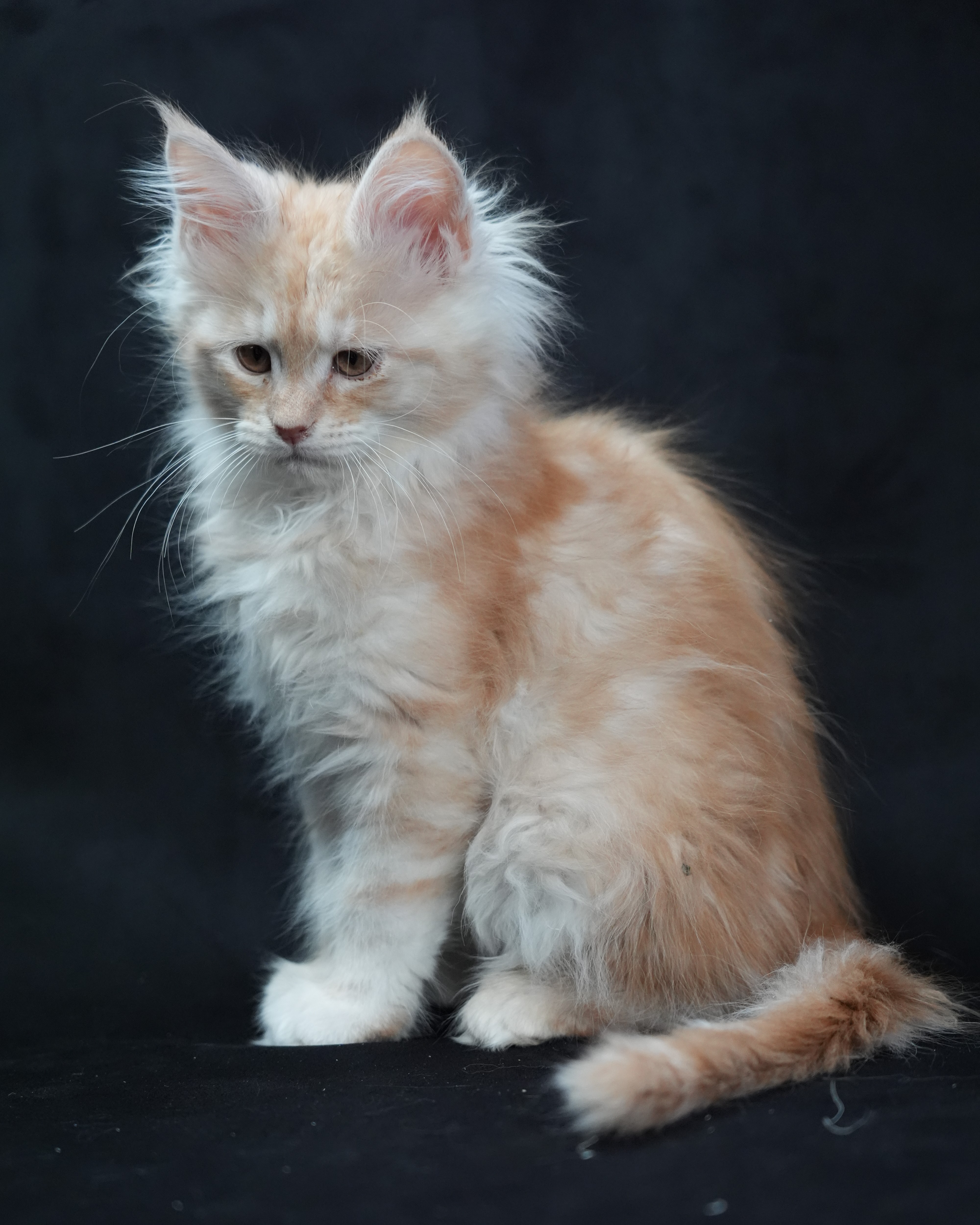
Maine Coons are a generally healthy breed, but they have specific health considerations that require proactive veterinary care — not just reactive visits when something goes wrong. Knowing what to do, when to do it, and what to ask your vet is the difference between catching problems early and dealing with them late. Here is your complete care calendar.
01Kitten Wellness: The First Year
The first year of a Maine Coon's life sets the foundation for everything that follows. Vet visits during this period are more frequent than they will be in adulthood — and they matter.
- First vet visit within 10 days of bringing your kitten home. This establishes a health baseline, catches any transitional health concerns, and starts your relationship with your vet.
- Core vaccinations: FVRCP (feline viral rhinotracheitis, calicivirus, panleukopenia) at 8, 12, and 16 weeks. Rabies at 12–16 weeks depending on your vet's protocol.
- Feline leukemia (FeLV) vaccination is recommended for cats with any outdoor access or exposure to other cats.
- Spay or neuter: typically recommended between 4–6 months. Discuss timing with your vet — some breeders have specific requirements in their contracts.
- First dental exam: establish baseline dental health early. Dental disease is extremely common in cats and starts earlier than most owners expect.
02Annual Wellness Exams: Every Year, No Exceptions
Cats age roughly four to five times faster than humans. An annual vet visit for a cat is equivalent to a human seeing their doctor every four to five years — which is already not enough. Do not skip it.
- Full physical examination: weight, body condition score, heart and lung auscultation, lymph node palpation, dental assessment, coat and skin evaluation.
- Vaccination boosters: FVRCP every three years after the initial series; rabies per local regulations.
- Parasite screening: fecal exam for intestinal parasites, heartworm test if recommended in your region.
- Blood and urine panel: baseline values in a young healthy cat become invaluable reference points when something changes later.
- Weight monitoring: obesity is a serious health risk in Maine Coons. Your vet should track weight trends over time, not just note the current number.
03HCM Screening: The Maine Coon-Specific Priority
Hypertrophic Cardiomyopathy is the most important breed-specific health concern for Maine Coons. Annual or biannual cardiac screening is strongly recommended — even for cats from health-tested parents.
- HCM screening is performed via echocardiogram (cardiac ultrasound) by a board-certified veterinary cardiologist — not a general vet with a stethoscope.
- Screening is recommended starting at 2 years of age and repeated every one to two years throughout the cat's life.
- Early detection of HCM allows for earlier intervention, better management, and longer quality of life.
- Ask your vet for a referral to a veterinary cardiologist. Not all general practices have the equipment or expertise for accurate cardiac screening.
- The cost of an echocardiogram is typically $300–$500. Pet insurance that covers cardiac conditions can offset this significantly.
04Dental Care: The Most Neglected Area
Studies suggest that over 70% of cats show signs of dental disease by age three. Maine Coons are not exempt. Dental disease causes pain, affects eating, and has been linked to kidney and heart disease through chronic bacterial exposure.
- Annual dental exams at every wellness visit. Your vet should look in the mouth, not just note that teeth are present.
- Professional dental cleanings under anesthesia every one to three years depending on your cat's dental health. Yes, anesthesia is required for a proper cleaning.
- Home dental care: daily tooth brushing with cat-safe toothpaste is the gold standard. Dental treats and water additives help but do not replace brushing.
- Signs of dental disease: bad breath, drooling, pawing at the mouth, dropping food, reluctance to eat hard food, or visible tartar.
05Senior Care: Age 10 and Beyond
Maine Coons are considered senior cats around age 10–11. Senior cats need more frequent monitoring — twice-yearly vet visits are recommended once your cat reaches this stage.
- Twice-yearly wellness exams allow earlier detection of the conditions that become more common with age: kidney disease, hyperthyroidism, diabetes, arthritis, and dental disease.
- Senior blood panels include thyroid levels and more detailed kidney function markers.
- Blood pressure monitoring: hypertension is common in older cats and often secondary to kidney disease or hyperthyroidism.
- Joint health assessment: arthritis is underdiagnosed in cats because they hide pain well. Watch for reluctance to jump, stiffness after rest, or changes in grooming habits.
- Quality of life conversations: your vet should be a partner in assessing your senior cat's comfort and wellbeing, not just their disease status.
06Finding the Right Vet
Not all vets have equal experience with Maine Coons. Finding a vet who knows the breed makes a real difference in the quality of care your cat receives.
- Ask specifically whether the practice sees Maine Coons regularly and whether any vets have a particular interest in feline medicine.
- A feline-only or feline-focused practice is worth seeking out if one is available in your area.
- Build the relationship before you need it urgently. A vet who knows your cat's baseline is far better positioned to recognize when something is wrong.
- Do not hesitate to seek a second opinion or specialist referral for cardiac, dental, or complex health concerns. Your vet should support this, not discourage it.
07Final Thoughts
Proactive veterinary care is one of the most important investments you can make in your Maine Coon's longevity and quality of life. The cats who live longest and healthiest are almost always the ones whose owners stayed ahead of problems rather than reacting to them. Build the relationship with your vet, keep the appointments, and do the screenings. Your cat cannot advocate for themselves — that is your job.
Interested in bringing home an Empire Maine Coon?