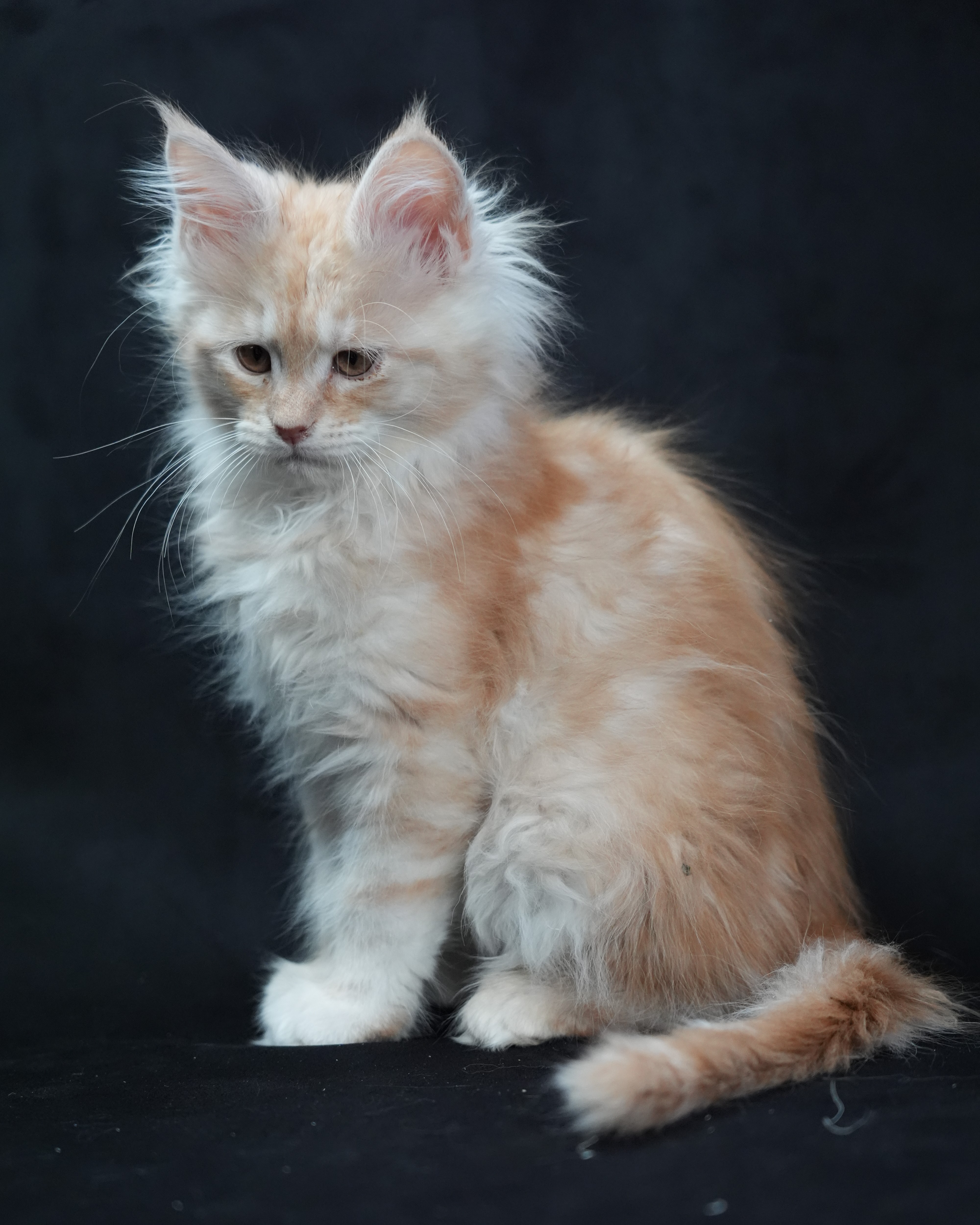
You have waited on the waitlist. You survived the phone interview. You drove to Wisconsin or Illinois, handed over a stack of cash, and now there is a small fluffy creature in a carrier on your back seat making sounds you have never heard before. Congratulations — you are a Maine Coon parent. Here is exactly what to do next.
01The 10-Day Rule: Empire's Non-Negotiable
Before anything else, understand this: Empire Maine Coons recommends quarantining your new kitten for the first 10 days and scheduling a vet visit within that same window. This is not optional, and it is not because we expect something to be wrong.
- Quarantine protects any other pets in your home while your kitten adjusts and any stress-related symptoms have a chance to surface and resolve.
- A vet visit within 10 days establishes a health baseline, catches anything that needs attention early, and starts your relationship with your vet on the right foot.
- Kittens are resilient but they are also in a completely new environment with new smells, sounds, people, and routines. Give them a contained space to decompress before unleashing them on the whole house.
- Pick one room — a bedroom, a bathroom, a spare room — and make it their world for the first week or so. They will thank you for it, in their own way.
02Setting Up the Safe Room
The safe room is not a punishment — it is a launchpad. Done right, it gives your kitten everything they need to feel secure while they figure out that their new home is not actually terrifying.
- Litter box in one corner, food and water on the opposite side of the room — cats do not like eating near where they eliminate. Nobody does.
- A cozy bed or blanket with your scent on it helps enormously. Sleep with a small blanket the night before pickup and put it in their space.
- A few toys, a scratching post, and something to climb or hide in — a cardboard box with a hole cut in it works perfectly and costs nothing.
- Keep the room quiet, especially for the first 24–48 hours. Resist the urge to invite everyone over to meet the kitten immediately. Let them breathe first.
03The First 24 Hours: Expect Nothing, Appreciate Everything
Some kittens walk out of the carrier and immediately start exploring like they own the place. Others hide under the bed for 18 hours and make you question every decision you have ever made. Both are completely normal.
- Do not force interaction. Sit on the floor in the room, let them come to you. Read a book, scroll your phone, just be a calm presence.
- Talk to them in a soft, low voice. They will learn your voice faster than you think.
- Do not be alarmed if they do not eat much the first day. Stress suppresses appetite. As long as they are drinking water and using the litter box, they are fine.
- If they hide, let them hide. Check on them quietly, make sure food and water are accessible, and give them time. Forcing a scared kitten out of hiding sets back trust significantly.
04Food: Stick to What They Know
Your kitten has been eating a specific diet at the cattery. The single most important feeding rule for the first week is: do not change it.
- Empire Maine Coons will tell you exactly what your kitten has been eating. Buy that food before pickup day so you have it ready.
- Switching food during the stress of transition is a recipe for digestive upset on top of everything else they are already dealing with.
- Wait at least a week — ideally two — before introducing any new foods, and do it gradually by mixing small amounts of the new food into the familiar.
- Fresh water should always be available. A pet fountain is worth the investment — Maine Coons are more likely to drink from moving water, which matters for kidney health long-term.
- Do not panic if appetite is low for a day or two. If it persists past 48 hours or is accompanied by lethargy, call your vet.
05Kitten-Proofing: The Things You Will Forget Until It Is Too Late
Maine Coon kittens are curious, athletic, and have absolutely no concept of danger. Before they have free run of the house, do a sweep.
- Electrical cords — tuck them away or use cord covers. Kittens chew things. It is not personal.
- Small objects on the floor — hair ties, rubber bands, twist ties, coins. All potential choking hazards or intestinal blockages.
- Toxic plants — lilies are particularly dangerous for cats and are common in households. Check every plant you own against the ASPCA toxic plant list.
- Washing machines and dryers — always check before closing the door. Maine Coons are large enough to climb in and quiet enough that you might not hear them.
- Recliner chairs and sofa beds — the mechanisms can injure a cat hiding inside. Check before operating.
- Open windows without screens — a Maine Coon can and will go through an unscreened window if something interesting is on the other side.
06Introducing Other Pets: Slow Is Fast
If you have other pets, the introduction process deserves its own timeline. Do not rush it. The quarantine period actually works in your favor here — it gives everyone time to get used to the idea of each other before they meet face to face.
- Start with scent swapping — put a blanket or toy from the kitten in the existing pet's space and vice versa. Let them process the smell before the meeting.
- Feed both animals on opposite sides of a closed door — they associate the smell of the other with something positive.
- First visual contact through a baby gate or cracked door, supervised. Watch body language carefully.
- Full introductions only when both animals seem calm and curious rather than stressed or aggressive.
- Never leave them unsupervised together until you are completely confident in the dynamic. This can take days or weeks. That is normal.
07When to Call the Vet (and When to Breathe)
New kitten parents tend to fall into one of two camps: panicking over everything or ignoring things they should not. Here is a quick guide to which is which.
- Call the vet: not eating or drinking for more than 48 hours, lethargy that does not improve, diarrhea lasting more than 24 hours, sneezing with discharge, any signs of pain or distress.
- Breathe: one sneeze, hiding for the first day, not eating for the first 12–24 hours, sleeping a lot, being startled by normal household sounds.
- When in doubt, call Empire. We have seen it before. We will tell you honestly whether it sounds like something that needs a vet or something that needs a day.
- Remember the 10-day vet visit — schedule it before pickup day so you are not scrambling to find an appointment in the first week.
08Final Thoughts
The first 10 days are the foundation of your relationship with your Maine Coon. Go slow, be patient, follow the basics, and resist the urge to do too much too fast. Your kitten is not going to be a confident, social, house-ruling gentle giant on day one. But they will get there — faster than you expect — if you give them the space and security to figure it out on their own terms. Empire Maine Coons is here for every question, every weird symptom, and every "is this normal?" moment. That support does not end when you drive away from pickup.
Interested in bringing home an Empire Maine Coon?