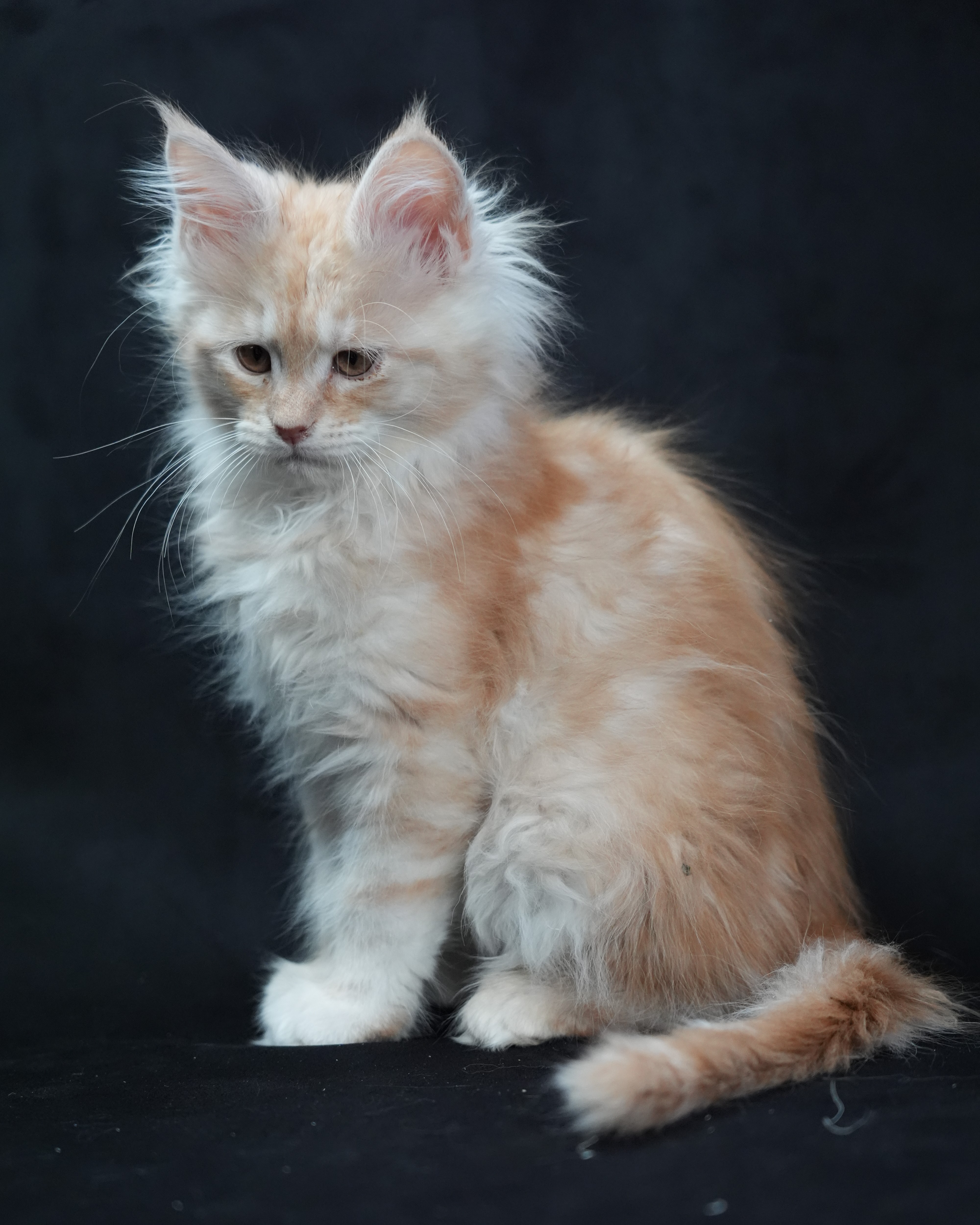
New kitten owners spend a lot of time Googling 'is it normal for my kitten to...' at 11pm. This guide answers the most common questions before you have to ask them. Most kitten behavior that seems alarming is completely normal. A few things are not. Here is how to tell the difference.
01The Zoomies
Your kitten will, without warning, sprint at full speed from one end of your home to the other, bounce off the couch, and then sit down and lick their paw like nothing happened.
- This is called Frenetic Random Activity Periods (FRAPs) — or zoomies. It is completely normal and actually a sign of a healthy, happy kitten.
- It happens most often in the evening because cats are crepuscular — most active at dawn and dusk.
- Zoomies are a way of burning off excess energy. If they happen constantly and your kitten seems unable to settle, increase interactive play sessions.
- If zoomies are accompanied by vocalizing, stumbling, or seem distressed rather than playful, that is worth a vet call.
02Chattering at Birds and Windows
Your kitten will sit at the window, spot a bird, and make a rapid clicking or chattering sound with their jaw. It looks bizarre. It is completely normal.
- This is called chattering or chittering. The exact reason is debated — it may be a frustrated hunting response or an attempt to mimic prey sounds.
- Maine Coons are particularly vocal and may add chirps, trills, and full conversations to their window-watching sessions.
- It is not a sign of distress. It is a sign of a cat who is very interested in that bird.
03Kneading
Your kitten will push their paws rhythmically against soft surfaces — blankets, your lap, your stomach at 3am.
- Kneading is a comfort behavior that originates from nursing. Kittens knead their mother to stimulate milk flow.
- Adult cats continue kneading when they feel safe, content, and relaxed. It is a compliment.
- Some cats drool while kneading. Also normal, if slightly gross.
- If kneading is accompanied by excessive suckling on fabric, it may indicate early weaning. Mention it to your vet.
04Bringing You "Gifts"
Your kitten will bring you toys — and eventually, if they have outdoor access, other things — and present them with great pride.
- This is hunting behavior. Your kitten is sharing their catch with you, which means they consider you part of their social group.
- Accept the gift graciously. Rejecting it confuses them.
- Maine Coons are particularly prone to this behavior and will often vocalize loudly while carrying their prize to you.
05Knocking Things Off Surfaces
Your kitten will look you directly in the eye and push something off the counter.
- This is not spite. It is curiosity and attention-seeking. Kittens learn that pushing objects off surfaces gets a reaction from you.
- The solution is not punishment — it is removing tempting objects and providing more interactive play so they are not bored.
- Maine Coons are particularly notorious for this behavior. It is a breed trait. Accept it.
06Hiding
Your kitten will disappear into a box, under the bed, or inside a cabinet and be completely unreachable.
- Hiding is normal, especially in the first few weeks. It is how cats decompress and feel safe.
- Do not force them out. Let them emerge on their own terms.
- Provide intentional hiding spots — covered beds, boxes, tunnels — so they have safe places that are not behind the dryer.
- A kitten who hides constantly and never comes out, even for food, after the first two weeks warrants a vet check.
07Eating Grass or Plants
Your kitten will attempt to eat your houseplants.
- Cats eat grass and plant material to aid digestion and induce vomiting when they have ingested something that does not agree with them.
- The problem is that many houseplants are toxic to cats. Remove all toxic plants before your kitten arrives.
- Provide cat grass (wheat grass or oat grass) as a safe alternative. Most pet stores carry it.
- Occasional vomiting after eating grass is normal. Frequent vomiting unrelated to grass is not.
08Behaviors That Are NOT Normal
Most kitten behavior is fine. These things are not.
- Not eating for more than 24 hours — call your vet.
- Open-mouth breathing or panting when not overheated or stressed — this can indicate a cardiac issue and is an emergency.
- Persistent sneezing, eye discharge, or nasal discharge beyond a few days.
- Limping, reluctance to jump, or crying when touched.
- Straining in the litter box without producing urine — this is a urinary emergency, especially in males.
- Sudden personality change — a previously playful kitten who becomes withdrawn and lethargic.
- Seizures or loss of coordination.
Further Reading
Interested in bringing home an Empire Maine Coon?